
There is a particular quality of silence that follows a colossal failure in a room full of people who know better. It isn't the silence of shock, or of grief. It's the silence of recognition, the moment when everyone present understands, without a word being said, that something true has just been revealed.

We live in a world of posturing and projection, where failure is rarely accepted with humility because everyone is too busy masking wounds to reach for the next achievement. But it is worth pausing to ask what progress actually requires. We learn by making mistakes. Admitting defeat honestly is a form of intelligence, and being human is not a limitation. It is the entire point.
Design is communication, not simply or reductively, but always and entirely. Understanding a brief, translating it through a program, abstracting it into form, detailing it into being, executing it toward manifestation: coordinating, negotiating, documenting, inspiring, collaborating and beginning again. All of it is communication, whether as words, sketches, drawings, models, discussions, prototypes or samples. Different languages, one intention. And when that communication truly breaks down, across every channel at once, the failure has a texture unlike any other.
That is precisely what happened in this particular room.
Our clients were in their late fifties, archetypal Gen X: a husband and wife who owned a large technology company and were used to calling every shot. My partner and I would qualify as elder Millennials, Gen Y in formal terms. The two junior designers running this presentation were quintessential Gen Z: confident, energetic, and sharp as blades.
Technically, I could have intervened. Something, call it instinct, call it faith in what we had built together, made my partner and me sit back instead, and we watched with quiet pride as our well-trained young colleagues took on the situation without flinching.
The client had arrived claiming she could improve on our proposed design using artificial intelligence. She came prepared with a collection of hallucinatory images, obviously machine-generated, visually incoherent, untethered from site, climate, or any specific human need. Our designers were unimpressed. Their response was measured and respectful, but honest... in a way this profession rarely rewards and almost never models: the refusal to pretend.
Projected on the screen above us was a meticulously crafted architecture and interior design presentation: sketches, floor plans, considered spatial studies, representing weeks of careful, specific, site-responsive work. In the client's lap lay a tablet displaying an image of some imaginary place, generated without a single thought for who would live in it, or where, or why. The contrast was not just aesthetic. It felt civilizational.
The meeting ended abruptly. The client stormed out.
It was disappointing. It was also, in its way, a moment of complete clarity.
A client who treats our staff with that degree of contempt does not deserve to inhabit a space we have designed, which is why we did not intervene or attempt reconciliation. Instead, we congratulated our young colleagues for staying true under pressure, for holding their ground without apology, performance, or collapse.
They could not fully conceal their disappointment, and that, too, was telling. They had genuinely wanted to succeed. They cared about the work with an earnestness that is increasingly rare, not naive, not unguarded, but committed. They did not yet know that caring that much, and refusing to betray it under pressure, is among the rarest qualities a professional can possess. Most people learn to shed it early. They had not.
The youth of this nation are an incomparable asset, and we are not doing nearly enough to deserve them.
Even as our economy fails them, as inflation and debt accumulate weight on their generation, as an older cultural consensus keeps mistaking their confidence for arrogance and their directness for insolence, they are paying attention. They are working. They understand something those of us who came before are still learning... that in a world increasingly shaped by algorithmic substitution, the most consequential act is to make something real, with intention, for a specific human being, in a specific place, at a specific moment in time. That specificity, the insistence on the particular, is not a craft value alone. It is an ethical one.
Boomers, Gen X and Gen Y carry a moral obligation here: not to mentor from a position of superiority, or project our own disillusionment onto those who have not yet earned it, but to witness. To sit in the room and not intervene. To trust what we have built, then to stand aside and let it demonstrate itself.
The past walked out of a boardroom that afternoon, and in every way that mattered, it was right to let it go.
What remained, attentive, disappointed, and still entirely committed to the work, was the future.

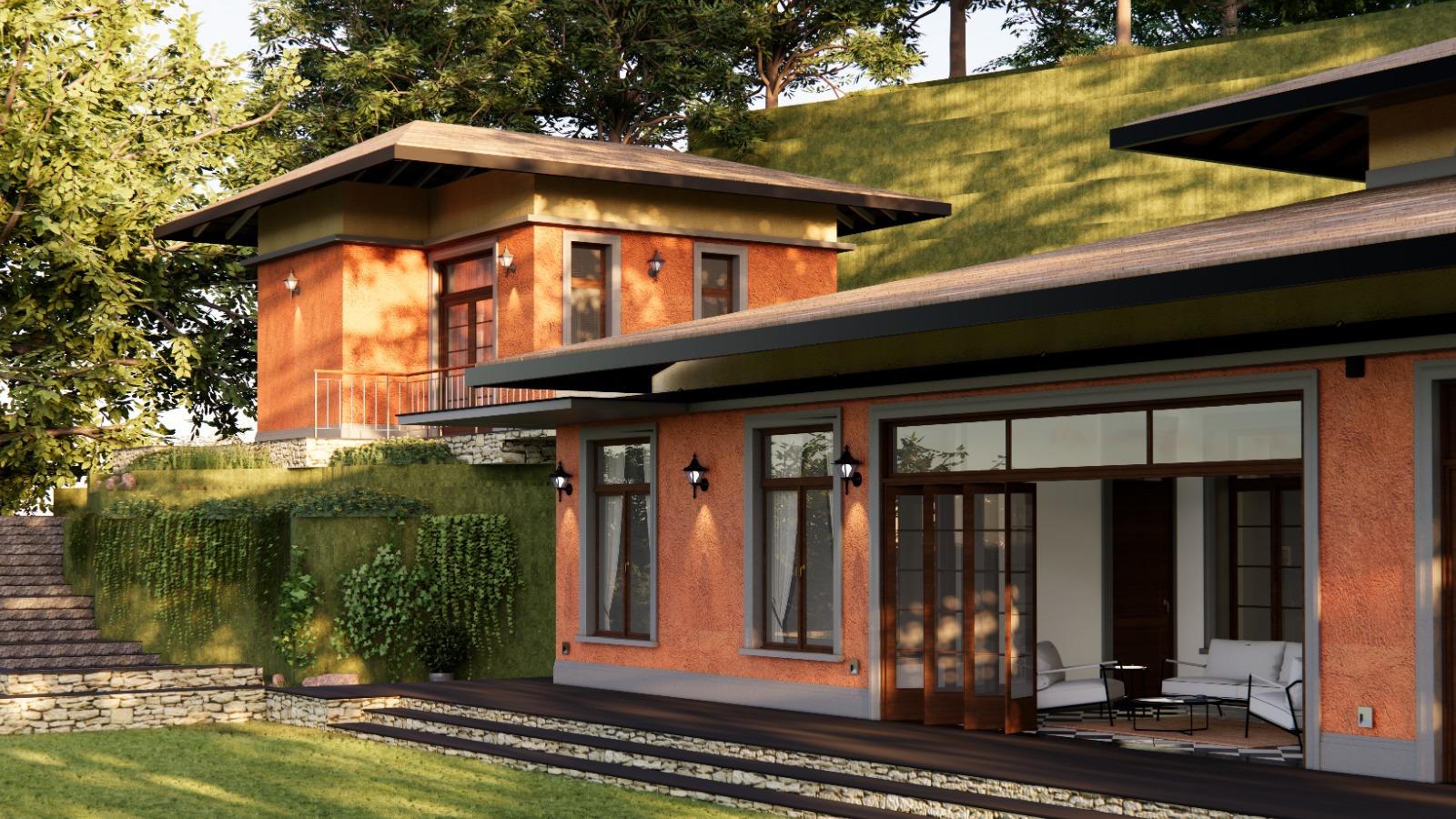
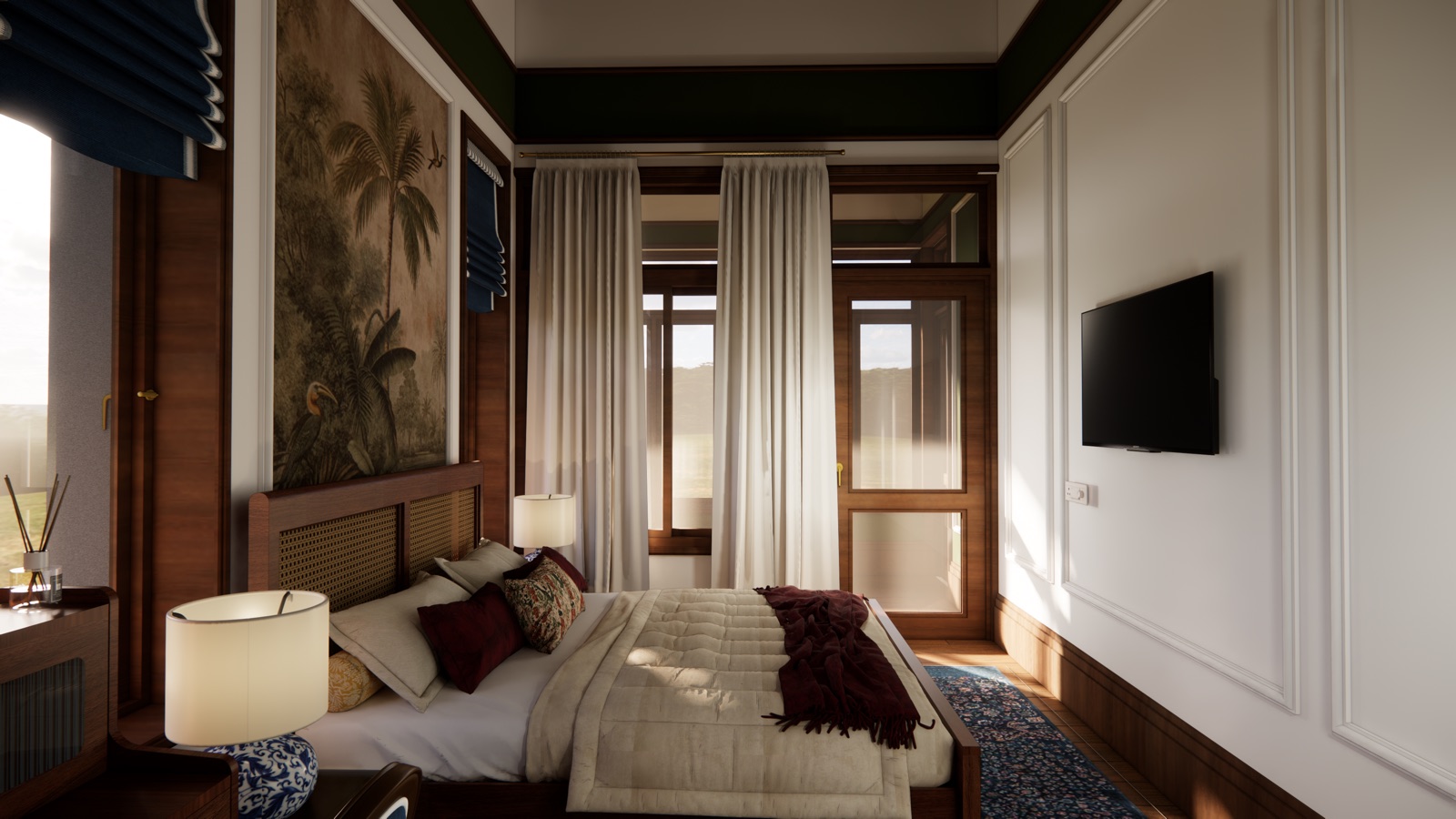
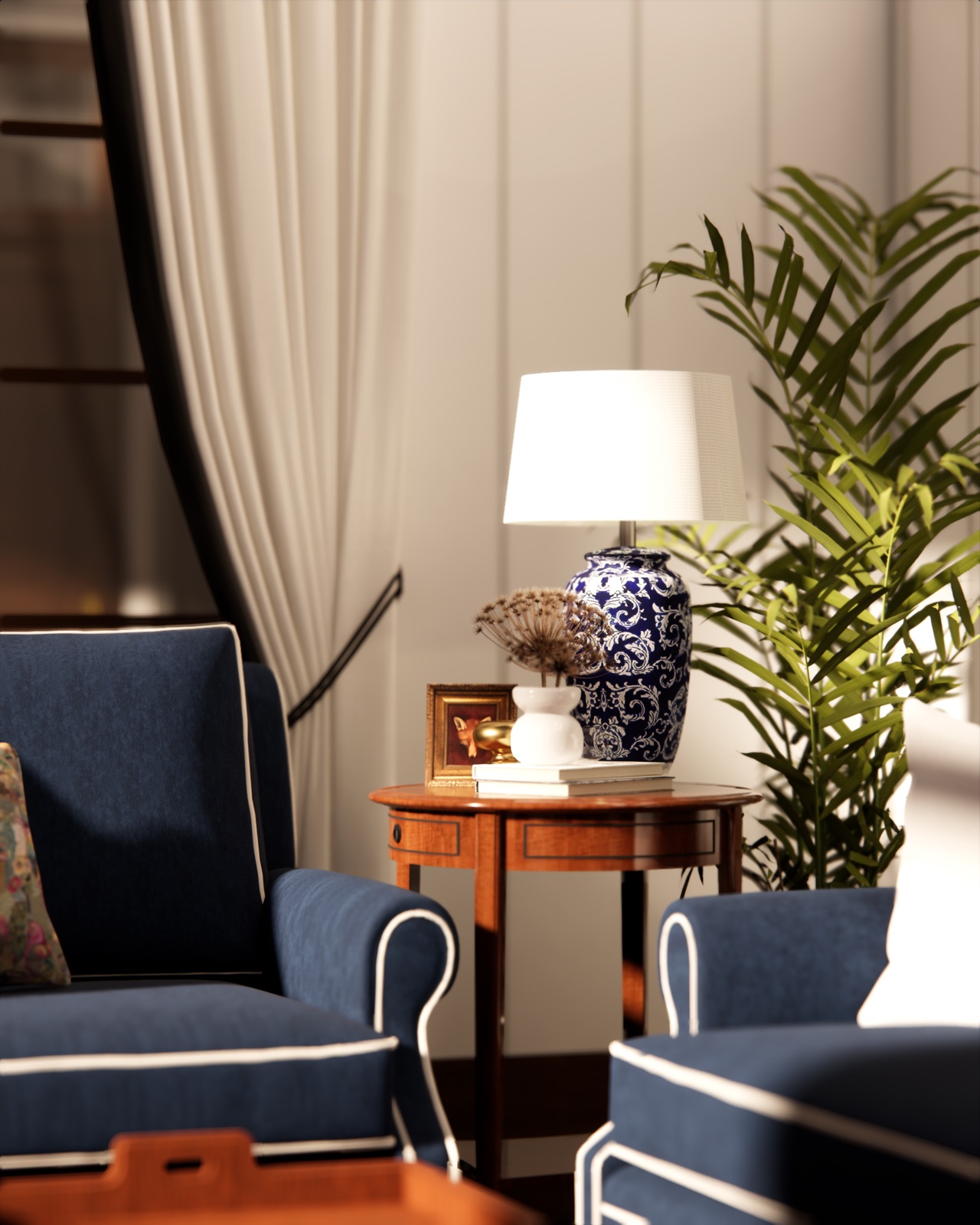
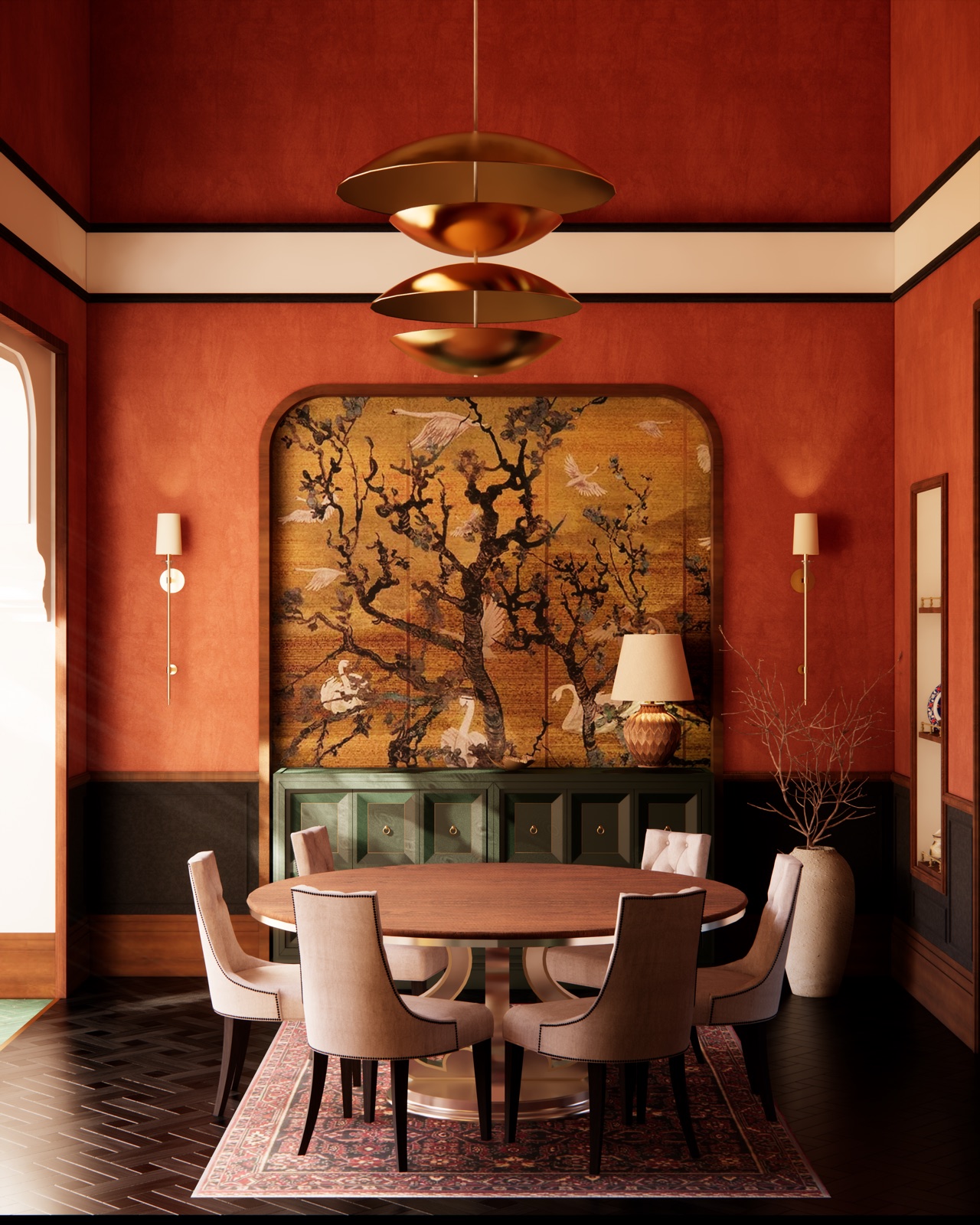
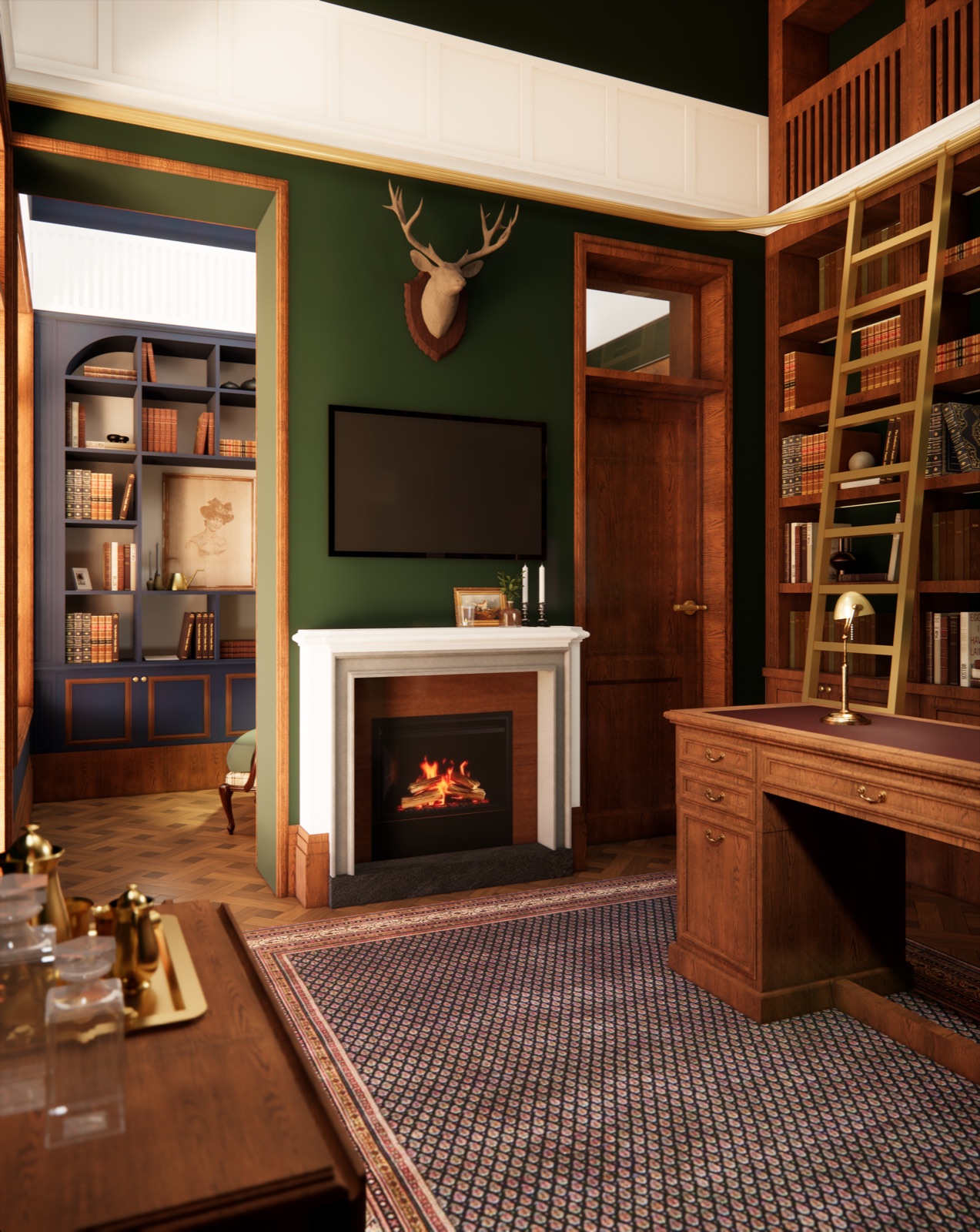
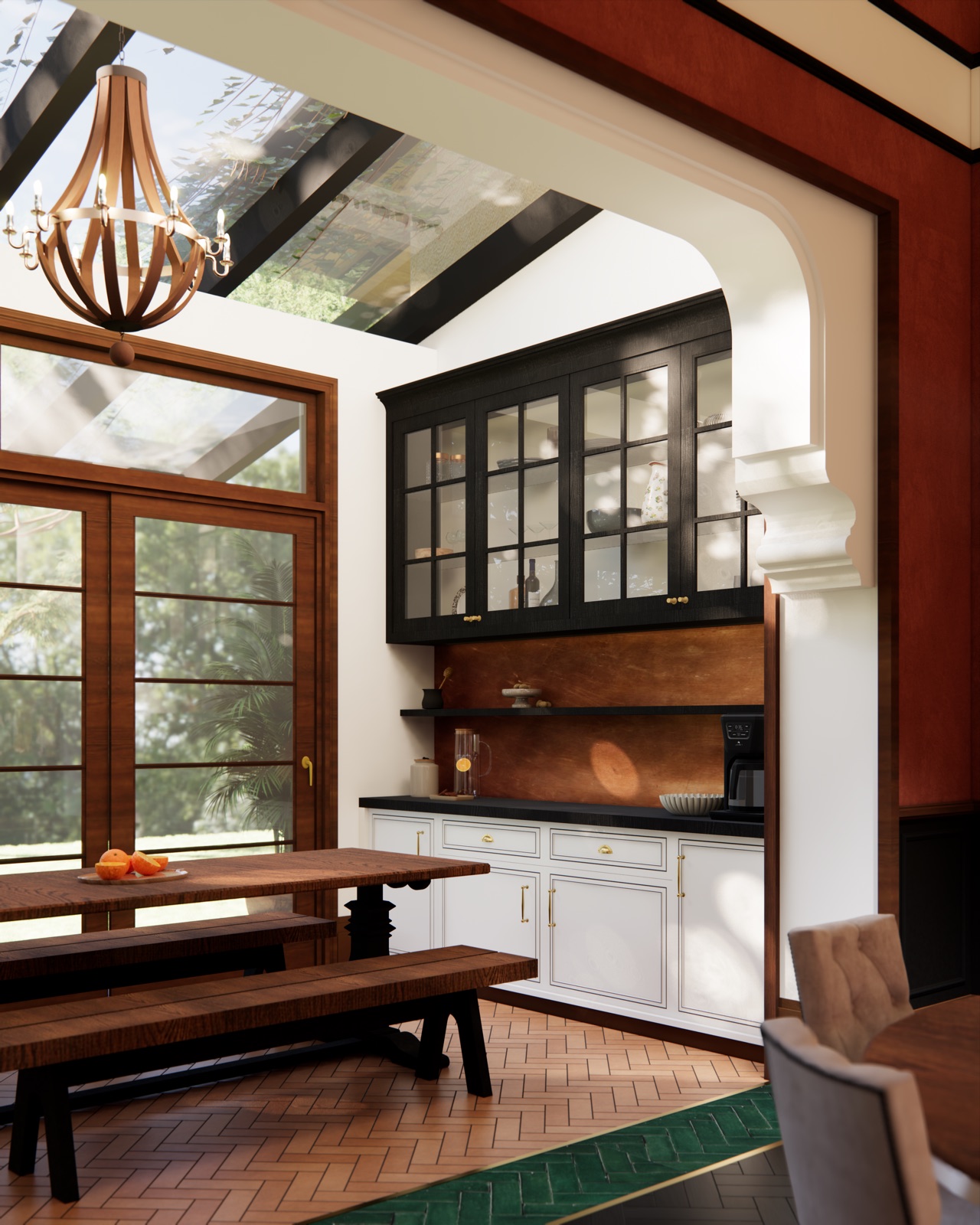
Note: The accompanying renders depict a conceptual colonial-style residence designed for a site in Mussoorie, India.
For the record, every image was produced by our human design team using standard 3D modelling and rendering software, with no AI image generation involved at any stage.
Given the essay's subject, it felt right that the imagery itself carried this argument... work made by hand, by people, from start to finish.
Visit Our Instagram Page